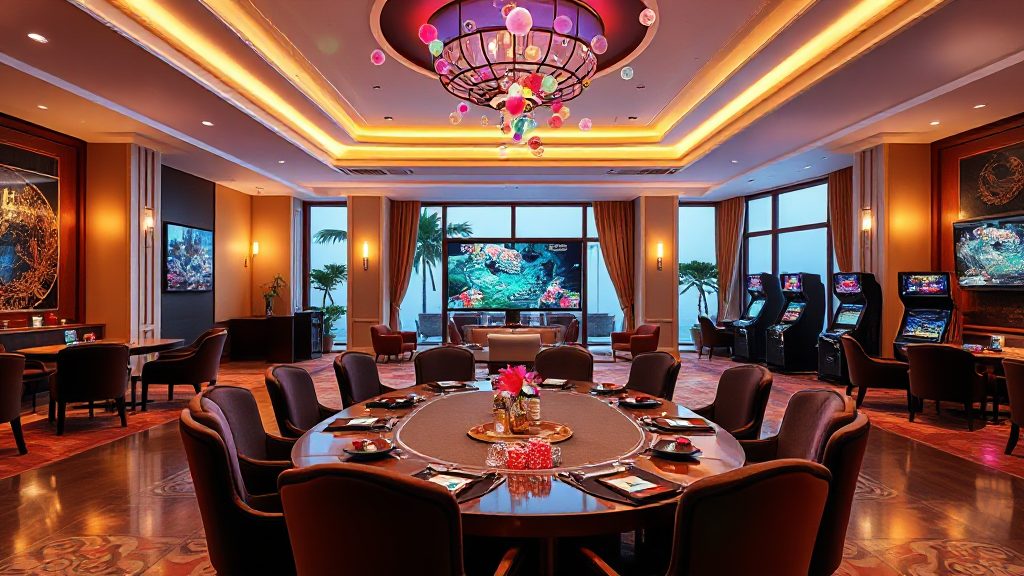
What Club Poker Socials May Look Like in the Next Few Seasons
At a recent planning meeting, someone asked what our club poker socials will look like in five years. The room went quiet. Not because we lack ideas, but because the forces shaping them—accessibility, payment handling and hybrid participation—are moving faster than our rulebooks. The same shift is visible in adjacent digital lottery spaces, where platforms like togel 4d have normalized instant access and multi-device participation. For organizers, the question is not whether these trends arrive, but which ones we adopt first.
Accessibility expectations will reset the baseline
Members now compare every event to the smoothest digital experience they had that week. If registration takes three emails and a phone call, we have already lost half the room. The next few seasons will reward organizers who treat sign-up, seating and rule explanations as a single flow rather than separate chores.
Mobile-first registration and check-in
A QR code at the door is no longer a novelty; it is the minimum. The real change is upstream: members expect to reserve a seat, see the blind structure and pay a buy-in from their phone before they leave the house. Organizers should watch how quickly their current booking tools handle a waitlist, because a stalled waitlist is where casual players quietly drop out.
Clearer rules for first-timers
Accessibility is not only technical. Newer members often skip socials because they fear doing something wrong. Short, plain-language rule cards—what a raise means, when to post, how a split pot works—do more for attendance than another reminder email. First-timers remember how safe they felt, not how elegant the venue was.
Payment handling will become the quiet differentiator
Cash at the door is simple until it is not: someone forgets an envelope, the float runs short, and the treasurer spends the evening counting instead of playing. Over the next few seasons, the clubs that grow will be the ones that make buy-ins and payouts feel boringly predictable.
Digital buy-ins and transparent records
Members increasingly expect a digital receipt and a visible ledger. This is not about being corporate; it is about trust. When payouts are recorded on the spot and shared after the event, disputes shrink and repeat attendance rises. Organizers should watch which tools export a clean summary, because a treasurer who can reconcile in ten minutes will volunteer for another season.
Handling mixed payment preferences
Not everyone will move at the same speed. A hybrid approach—digital buy-in with a small cash option for guests—prevents the awkward moment where a newcomer cannot join because they only carry a card. The lesson from platforms such as togel 4d is that flexibility at the entry point matters more than the sophistication behind it. Payment friction is the most common reason a curious guest never returns.
Hybrid participation will stretch the definition of a social
The phrase “club poker social” used to mean one room, one night. That is already loosening. Members travel, work late, or simply prefer to watch before they play. The next few seasons will test whether organizers can serve those members without splitting the community in two.
Remote spectators and staggered tables
A live scoreboard and a simple stream of the final table let absent members stay connected. This is low-cost and high-return: people who watch one social are far more likely to attend the next. Organizers should watch how their venue handles a phone on a tripod and whether the Wi-Fi survives a full room.
Shorter, more frequent formats
Hybrid participation also changes the calendar. A three-hour weeknight event with a fixed end time attracts members who would never commit to a full evening. Expect more turbo structures and sit-and-go side tables, with the main social reserved for weekends. The calendar, not the card game, is where most attendance decisions are made.
What organizers should watch next
The trends above are not predictions from a distant future; they are already visible in how members behave. The practical work is to test one change per season and measure it honestly.
Signals worth tracking
- Time from first interest to confirmed seat—if it exceeds a day, simplify the flow.
- Share of buy-ins handled digitally versus cash, and how often the cash float runs short.
- Number of first-timers who return within two events.
- Volunteer retention on the treasurer and check-in roles.
Decisions to postpone
Not every trend deserves immediate adoption. Fully remote play, complex loyalty schemes and automated seating can wait until the basics are stable. The clubs that thrive will be the ones that resist the urge to copy every digital feature and instead fix the two or three friction points their members actually mention.
When the room went quiet at that planning meeting, it was not a sign of paralysis. It was a recognition that the next few seasons reward organizers who watch behavior, not hype. Start with access, make payments boring, and keep the social human. The rest will follow.