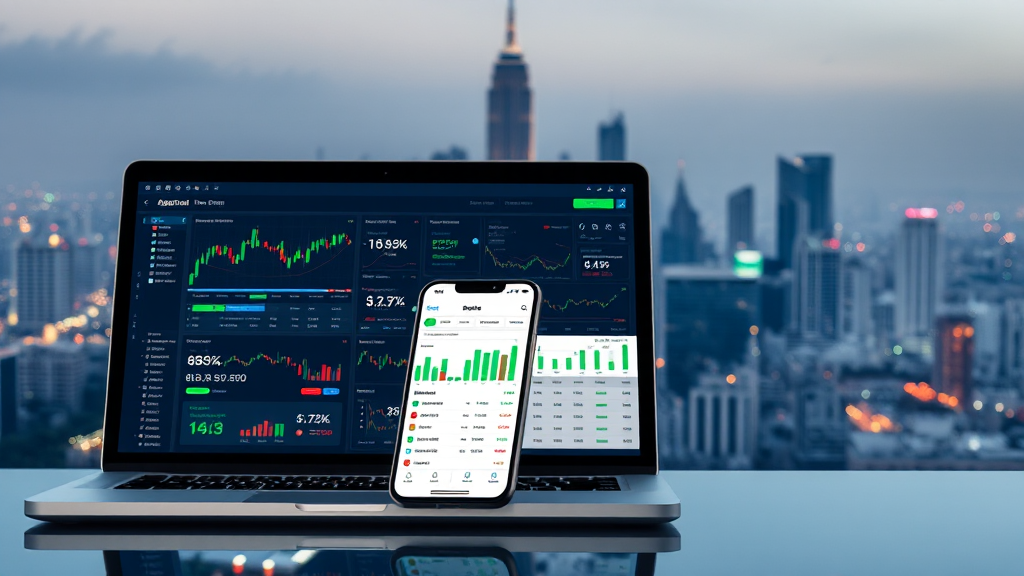
DABBA TRADING: A Modern Approach to Intraday Market Participation
In the fast-paced world of Indian financial markets, traders constantly seek efficient ways to capitalize on intraday price movements. Among the various methods that have gained traction, DABBA TRADING stands out as a contemporary solution that blends speed, convenience, and real-time decision-making. While the term may sound niche, it represents a growing segment of online trading tailored for those who prefer quick execution and immediate insights. This article explores how this approach works, why it appeals to modern traders, and what to consider before integrating it into your trading routine.
Understanding the Concept of Dabba Trading
Dabba trading, at its core, refers to a form of online trading that focuses on rapid execution and simplified access to market data. Unlike traditional brokerage models that may involve complex platforms and delayed feeds, this approach emphasizes agility. Traders using this method often rely on streamlined interfaces that allow them to place orders swiftly, monitor live price charts, and adjust positions without unnecessary friction. The term “dabba” in this context is a brand identity—specifically associated with the DABBA TRADING ID—and should not be confused with any physical container. Instead, it symbolizes a compact, efficient way to engage with the markets.
The rise of mobile trading apps has made such approaches increasingly popular. With a smartphone and a stable internet connection, traders can access a dashboard that presents real-time data, trend indicators, and execution tools. This level of accessibility is particularly appealing to a younger generation of investors who expect instant gratification and minimal lag. However, it is essential to understand that dabba trading is not a separate market; it is a method of interacting with existing exchanges like NSE, BSE, or MCX through a technologically advanced interface.
Key Features of a Dabba Trading Platform
When evaluating a platform that supports dabba trading, several features are crucial. First is speed—the ability to execute orders in milliseconds can make a significant difference in volatile markets. Second is reliability; a stable connection and robust servers ensure that your trades are not disrupted during peak hours. Third is the quality of insights. Modern platforms integrate technical analysis tools, historical data, and even algorithmic signals to help traders make informed decisions.
For instance, a well-designed dashboard might display candlestick charts, volume indicators, and moving averages simultaneously. Some advanced platforms also offer backtesting capabilities, allowing users to test strategies against past data before risking real capital. Additionally, security is paramount. Given the financial nature of these transactions, platforms must employ encryption, two-factor authentication, and secure payment gateways to protect user funds and personal information.
Why Traders Are Turning to Dabba Trading
The appeal of dabba trading lies in its efficiency. Traditional trading often involves multiple steps—logging into a broker portal, navigating through menus, and waiting for confirmations. In contrast, a dedicated dabba trading app streamlines these processes, reducing the time between decision and action. This is particularly beneficial for intraday traders who rely on quick entries and exits to capture small price movements.
Moreover, the real-time insights provided by these platforms empower traders to react to market news and economic events instantly. For example, if a sudden geopolitical development causes crude oil prices to spike, a trader using MCX DABBA TRADING can quickly assess the situation and execute trades on commodity futures without missing the opportunity. This immediacy is a game-changer for those who thrive on volatility.
Another factor is cost-effectiveness. Many dabba trading platforms offer competitive fee structures, often lower than traditional brokers, because they operate with leaner overheads. This is attractive to frequent traders who might otherwise see profits eroded by commissions. However, it is vital to read the fine print and understand all charges, including withdrawal fees, inactivity fees, and any hidden costs.
How to Get Started with Dabba Trading
Getting started with dabba trading is relatively straightforward, but it requires due diligence. First, research various platforms to find one that aligns with your trading goals. Look for user reviews, regulatory compliance, and the range of instruments offered. In India, ensure that the platform is compliant with local regulations, even if it operates in a grey area—always prioritize legal and safe trading practices.
Once you select a platform, the next step is to register and complete the verification process. This typically involves providing KYC documents such as a PAN card, Aadhaar, and bank details. After account activation, you can deposit funds using various methods like UPI, net banking, or digital wallets. It is advisable to start with a small amount to familiarize yourself with the platform’s features and test your strategies without significant risk.
For those interested in commodity markets, DABBA TRADING APP offers specialized tools for MCX trading. This includes contracts on gold, silver, crude oil, and agricultural products. The ability to switch between equity and commodity segments within a single interface adds flexibility, allowing traders to diversify their portfolios based on market conditions.
Risks and Considerations in Dabba Trading
Like any form of trading, dabba trading carries inherent risks. The very speed that makes it attractive can also lead to impulsive decisions and overtrading. It is crucial to maintain discipline and adhere to a well-defined trading plan. Additionally, the use of leverage—common in intraday trading—can amplify both gains and losses. Traders must understand margin requirements and the potential for margin calls.
Another consideration is the regulatory environment. While online trading platforms have grown in popularity, not all are regulated by authorities like SEBI. Some operate in unregulated spaces, which can expose traders to fraud or unfair practices. It is essential to verify the legitimacy of any platform before committing funds. Reading the terms and conditions carefully and checking for any red flags, such as unrealistic return promises, is a prudent step.
Furthermore, technical issues can occur. A sudden internet outage or a platform glitch could prevent you from exiting a position at your desired price. Therefore, having a backup plan, such as a secondary device or a direct broker contact, is wise. Risk management tools, like stop-loss orders, should be used consistently to limit potential losses.
Comparing Dabba Trading with Traditional Methods
To appreciate the value of dabba trading, it helps to compare it with traditional trading methods. Traditional brokers often provide comprehensive research reports, personalized advice, and a wide range of investment products. However, their platforms may be slower and more complex, catering to a broader audience. Dabba trading, on the other hand, is streamlined for active traders who prioritize speed and simplicity.
For example, a traditional broker might require you to call your dealer to place an order, which can take minutes. In contrast, a dabba trading platform allows you to execute trades with a few taps on your smartphone. This distinction is particularly evident during high-volatility events when every second counts. Moreover, dabba platforms often offer more intuitive interfaces, making it easier for novice traders to understand market dynamics.
That said, traditional methods may offer more robust educational resources and customer support. If you are new to trading, you might benefit from these additional services. Ultimately, the choice depends on your experience level, trading style, and risk tolerance. Many traders use a combination of both, relying on dabba trading for quick intraday moves and traditional brokers for long-term investments.
The Future of Dabba Trading in India
As technology continues to evolve, the future of dabba trading looks promising. The increasing penetration of smartphones and affordable data plans has democratized access to financial markets. With the rise of fintech innovations, we can expect even more advanced features, such as AI-driven analytics, automated trading bots, and enhanced security protocols. These developments will likely attract a broader audience, including those who were previously hesitant to trade online.
Moreover, the integration of blockchain technology could bring greater transparency and efficiency to dabba trading. Smart contracts could automate settlement processes, reducing counterparty risks. Additionally, the growing interest in sustainable and responsible trading may lead to platforms that offer ESG (Environmental, Social, and Governance) filters, allowing traders to align their investments with their values.
However, regulatory clarity will be crucial. As the popularity of dabba trading grows, authorities may introduce specific guidelines to protect investors and ensure market integrity. Platforms that adapt to these regulations and prioritize user safety will likely thrive. For now, traders should stay informed about legal developments and choose platforms that demonstrate a commitment to compliance.
Practical Tips for Successful Dabba Trading
To succeed in dabba trading, consider the following practical tips. First, educate yourself continuously. The financial markets are dynamic, and staying updated with global news, economic indicators, and corporate announcements is essential. Second, develop a trading strategy based on technical analysis, fundamental analysis, or a combination of both. Backtest your strategy to ensure it has a positive expectancy.
Third, manage your risk diligently. Never risk more than a small percentage of your capital on a single trade. Use stop-loss orders and take-profit levels to automate your exits. Fourth, keep a trading journal to record your trades, emotions, and outcomes. This helps in identifying patterns and improving your decision-making process.
Fifth, leverage the tools provided by your platform. Many dabba trading platforms offer alerts, screeners, and social trading features. For instance, you can set price alerts to notify you when a stock reaches a certain level. Additionally, some platforms allow you to follow and copy the trades of experienced traders, which can be a learning opportunity for beginners.
Lastly, maintain a balanced approach. Trading should not consume your entire life. Set aside time for analysis, but also ensure you have a healthy work-life balance. Emotional stability is key to making rational decisions, especially during market turbulence.
Conclusion
Dabba trading represents a modern evolution in how individuals participate in financial markets. Its emphasis on speed, real-time insights, and user-friendly interfaces makes it an attractive option for today’s traders. However, it is not without risks, and success requires knowledge, discipline, and a cautious approach. By choosing a reliable platform like the DABBA TRADING SITE, you can access tools that enhance your trading experience. Remember to stay informed, manage your risks, and continuously refine your strategies. Whether you are a seasoned trader or a newcomer, dabba trading offers a viable pathway to engage with the markets efficiently and effectively.
Frequently Asked Questions
What is dabba trading?
Dabba trading is a form of online trading that focuses on fast execution and real-time market insights. It is not a separate market but a method of interacting with existing exchanges through a streamlined digital platform. The term “dabba” in this context is a brand name, not a physical object.
Is dabba trading legal in India?
The legality of dabba trading depends on the specific platform and its compliance with Indian securities laws. While some platforms operate under regulatory oversight, others may not. It is essential to verify that the platform is authorized by SEBI or other relevant authorities to avoid legal and financial risks.
How do I choose a reliable dabba trading platform?
When selecting a dabba trading platform, consider factors such as regulatory compliance, security measures, trading tools, fees, and customer support. Read user reviews and check the platform’s track record. Start with a demo account if available to test the interface before committing real funds.
Can I trade commodities with dabba trading?
Yes, many dabba trading platforms offer access to commodity markets, including MCX instruments like gold, silver, and crude oil. This allows traders to diversify their portfolios and take advantage of price movements in both equity and commodity sectors.
What are the main risks of dabba trading?
The main risks include market volatility, leverage-related losses, technical failures, and potential regulatory issues. It is crucial to use risk management tools, stay informed, and choose a reputable platform to mitigate these risks.