How to Build a High-Impact Event Marketing Funnel with https://mez.ink/lavowin
Event marketing has always been a powerful way to connect with audiences, build brand awareness, and drive meaningful engagement. Whether you are organizing a virtual summit, a product launch webinar, or an exclusive industry mixer, the challenge is not just in planning the event itself but in ensuring the right people show up and take action afterward. In a crowded digital landscape, generic promotions rarely cut through the noise. Instead, successful event marketers are turning to intelligent platforms that streamline outreach and provide actionable insights. One such resource that is gaining attention for its role in modern campaign architecture is https://mez.ink/lavowin. This article explores how you can leverage this platform to build a structured, high-impact event marketing funnel that drives registrations, boosts attendance, and maximizes post-event ROI.
The modern event marketer wears many hats. From crafting compelling copy and designing eye-catching visuals to segmenting email lists and coordinating with speakers, the operational load can be overwhelming. The key to success lies in adopting tools that automate repetitive tasks, allowing you to focus on strategy and creative execution. By integrating a centralized platform into your workflow, you can manage creator partnerships, automate follow-up sequences, and analyze campaign performance from a single dashboard. This not only saves time but also ensures consistency across all your marketing touchpoints.
Understanding the Shift Toward Data-Driven Event Promotion
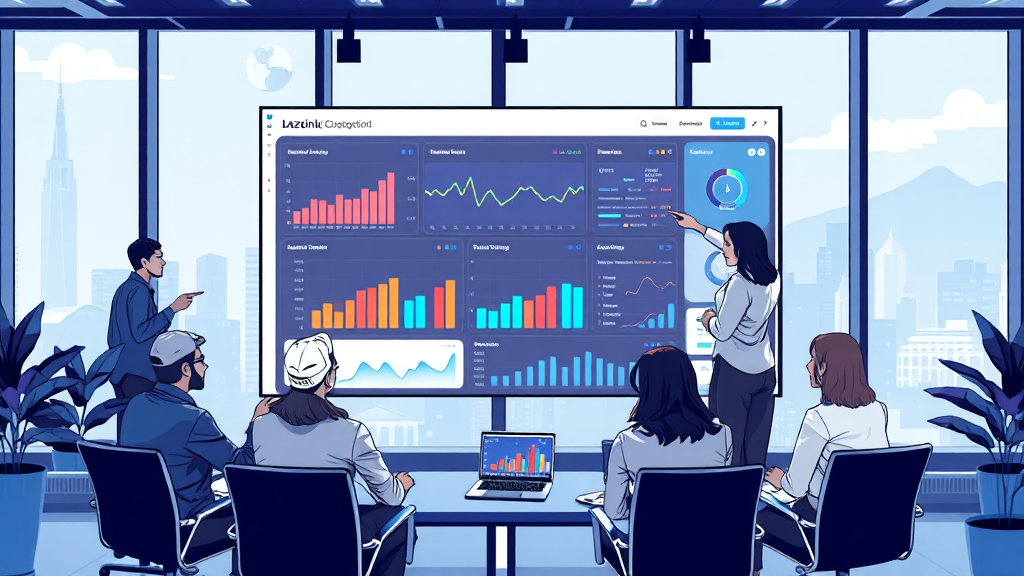
Gone are the days when posting a promotional graphic on social media a week before the event was enough. Today’s audiences expect personalized communication and value-driven content. To meet these expectations, event promoters must adopt a data-driven approach. This involves analyzing past campaign performance, understanding audience demographics, and tailoring messages to specific segments. A platform like the one referenced at https://mez.ink/lavowin provides the necessary infrastructure to centralize this data. Instead of juggling spreadsheets and multiple analytics tools, you can gain a comprehensive view of your funnel—from initial impression to final ticket purchase.
Moreover, data-driven promotion allows for real-time optimization. If you notice that a particular email subject line is yielding a high open rate but low click-through, you can quickly adjust your call-to-action or content format. Similarly, if a specific influencer or content creator is driving a significant number of registrations, you can allocate more resources to that partnership. This agility is crucial in the fast-paced world of event marketing, where audience interest can wane quickly.
Leveraging Creator Partnerships to Amplify Your Event Reach
One of the most effective strategies for promoting an event is partnering with content creators and influencers who align with your brand values. These individuals have built trust with their followers, and their endorsement can serve as a powerful social proof. However, managing multiple creator relationships manually can be chaotic. This is where the automation capabilities of a modern influencer marketing platform come into play. By using a centralized solution, you can streamline the process of identifying potential partners, sending outreach emails, and tracking the performance of each collaboration.
The platform linked at https://mez.ink/lavowin is designed to facilitate these creator partnerships efficiently. It helps you automate the initial contact, manage contracts, and provide creators with unique tracking links. This ensures every registration can be attributed to the correct source. Furthermore, by providing creators with clear briefs and promotional materials, you ensure that the messaging remains consistent with your event’s core value proposition. This structured approach not only increases the likelihood of a successful campaign but also fosters long-term relationships with creators who see tangible results from their efforts.
Automating Outreach for Consistent Engagement
Consistency is the bedrock of any successful marketing campaign. However, maintaining a consistent schedule of emails, social media posts, and direct messages across multiple channels can be exhausting. Automation is the answer. By setting up automated workflows, you can ensure that every potential attendee receives timely and relevant communication throughout the event lifecycle. For instance, you might create a sequence that sends a welcome email upon registration, a reminder 24 hours before the event, and a follow-up survey afterward.
Automation also extends to your outreach to potential speakers, sponsors, and partners. Instead of manually sending individual emails, you can use templates and personalized tokens to scale your efforts. This is particularly useful when you are targeting a large number of prospects. The key is to strike a balance between automation and personalization. While the initial outreach can be automated, any replies should be handled promptly by a human team member to build a genuine connection. A robust platform enables this hybrid approach by providing a unified inbox and tracking all interactions in one place.
Analyzing Performance and Optimizing Future Campaigns
After the event concludes, the work is not over. The post-event analysis phase is critical for understanding what worked and what didn’t. Key performance indicators (KPIs) such as registration conversion rate, attendance rate, and attendee satisfaction scores provide valuable feedback. By analyzing this data, you can identify bottlenecks in your funnel and areas for improvement. For example, if you notice a high drop-off rate on the registration page, you might need to simplify the form or improve the page’s loading speed.
The analytics capabilities of modern platforms allow you to generate detailed reports with just a few clicks. You can compare the performance of different marketing channels, evaluate the ROI of each creator partnership, and track attendee engagement during the live event. This wealth of information empowers you to make informed decisions for your next event. Instead of relying on guesswork, you can replicate successful strategies and discard those that underperform. This continuous improvement cycle is essential for staying ahead in the competitive landscape of event marketing.
Enhancing the Attendee Experience with a Unified Platform
The attendee experience extends beyond the live event itself. From the moment a potential attendee discovers your event to the follow-up communication after it ends, every interaction shapes their perception of your brand. A unified platform helps you deliver a seamless experience. For instance, you can create personalized landing pages for different audience segments, provide easy access to event materials, and send targeted follow-up content based on attendee behavior during the event.
Moreover, a centralized platform facilitates better communication between your marketing team, event coordinators, and speakers. Everyone can access the same information, reducing the risk of miscommunication. This collaborative environment ensures that all aspects of the event are aligned with the overarching goals. By providing a frictionless experience, you not only increase attendee satisfaction but also encourage repeat participation in future events. The platform at https://mez.ink/lavowin serves as a hub for all these activities, making it easier to manage the complex ecosystem of an event marketing campaign.
Integrating Social Media and Content Marketing Strategies
A successful event promotion strategy rarely relies on a single channel. Instead, it integrates social media, content marketing, email, and paid advertising to create a cohesive message. Your content—whether it’s a blog post, a short video, or an infographic—should provide value to your target audience while subtly promoting the event. Social media platforms are ideal for building anticipation and fostering a sense of community around the event. You can use countdown posts, speaker spotlights, and behind-the-scenes content to keep your audience engaged.
An AI-powered marketing platform can assist in scheduling these posts across various social networks, ensuring that your content reaches your audience at optimal times. Furthermore, by tracking engagement metrics, you can refine your content strategy in real-time. For example, if a particular type of post generates high engagement, you can create more content in a similar vein. This integrated approach ensures that all your marketing efforts are working in harmony to drive registrations and create a buzz around your event.
Ensuring Security and Reliability in Your Event Tech Stack
When you are managing an event, the last thing you need is a technical glitch or a security breach. It is vital to choose a platform that prioritizes security and reliability. This includes secure data handling, encrypted communication, and reliable uptime. When you promote an event, you often collect sensitive information from attendees, such as their names, email addresses, and sometimes payment details. Ensuring this data is protected is not only a legal requirement but also crucial for maintaining trust.
Additionally, the platform should be scalable to handle spikes in traffic during peak registration periods. A robust infrastructure minimizes the risk of crashes or slow loading times, which could deter potential attendees. By using a reliable platform, you can focus on the creative and strategic aspects of your event without worrying about technical failures. The peace of mind that comes from a secure and dependable system is invaluable, especially when you are under the pressure of a tight event deadline.
Building Long-Term Relationships and Community
Ultimately, the goal of event marketing is not just to fill seats for a single event but to build a community of engaged individuals who are interested in your brand’s offerings. By delivering valuable content and creating memorable experiences, you can turn one-time attendees into loyal advocates. The post-event follow-up is a critical step in this process. Sending a personalized thank-you email, sharing highlights from the event, and inviting attendees to join your online community are all effective ways to nurture these relationships.
Leveraging the insights gained from your event data, you can segment your audience for future communications. For instance, you might create a segment of attendees who showed high interest in a particular topic and send them related content or invitations to future events. This personalized approach demonstrates that you understand their needs and are committed to providing ongoing value. In this way, each event becomes a stepping stone towards building a stronger, more engaged community around your brand.
Conclusion
In conclusion, the success of an event marketing campaign hinges on your ability to combine creative strategy with data-driven execution. By leveraging a centralized platform like the one available at https://mez.ink/lavowin, you can automate creator outreach, streamline communication, and gain valuable insights into your campaign’s performance. This allows you to focus on what truly matters: creating an engaging and memorable experience for your attendees. As the digital landscape continues to evolve, adopting these intelligent tools will be essential for staying competitive and achieving your event marketing goals. Whether you are a seasoned marketer or just starting, embracing a structured, data-informed approach will undoubtedly set you on the path to success.
Frequently Asked Questions
Is https://mez.ink/lavowin a link-in-bio tool?
No, based on available information, the platform associated with this link is an AI-powered influencer marketing platform, not a simple link-in-bio tool. It is designed to help brands automate creator outreach and gain data-backed insights for their campaigns.
Can I use this platform for events that are not purely digital?
Yes, the platform is useful for promoting both virtual and physical events. Its core features—such as creator management, automated outreach, and performance analytics—are applicable to any event type where you need to drive registrations and measure the effectiveness of your marketing efforts.
How does the platform help in automating creator outreach?
The platform provides tools to streamline the process of finding, contacting, and managing content creators. It allows you to automate initial emails, track communication, and manage contracts, thereby reducing the manual workload and ensuring a consistent approach to partnerships.
What kind of analytics does the platform provide?
While specific features may vary, the platform is focused on providing data-backed insights. This typically includes tracking key performance indicators such as click-through rates, conversion rates, and the overall ROI of creator collaborations, helping you scale campaigns effectively.